By Gurama A Gurama, PhD.
Have you ever stopped to think about what your last meal did to your body — beyond just filling your stomach?
There is an old saying, “You are what you eat,” and it couldn’t be more true. Everything we put on our plate — whether healthy or harmful — becomes a part of us. Our energy, our skin, our sleep, our mood, and even how we age are all deeply connected to what we eat.
In today’s fast-moving world, where fast food is available on almost every street and busy schedules push us toward quick fixes, it is easy to choose convenience over nutrition.
But over time, those little choices start to speak through our bodies. Sometimes in quiet ways like constant tiredness, poor sleep, or frequent headaches. Other times, they show up as more serious health problems like high blood pressure, diabetes, obesity, or heart disease.
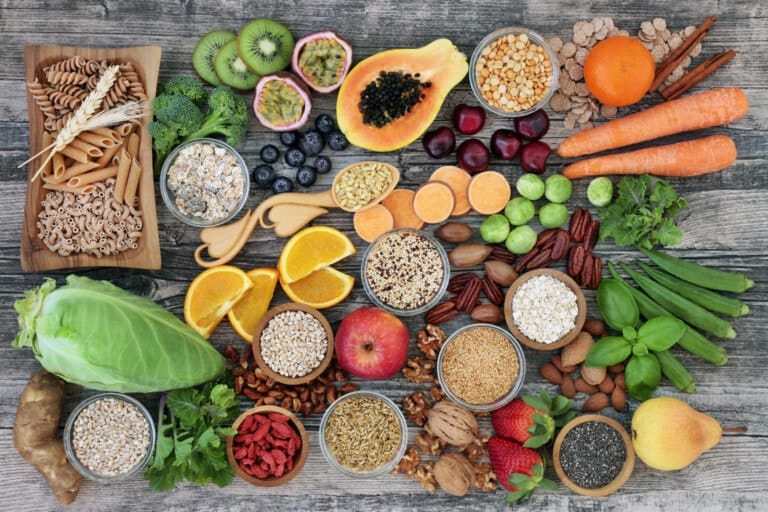
The good news is that food doesn’t have to be the enemy. In fact, it can be one of our greatest tools for healing and living well. When we fill our plates with natural, fresh foods — like vegetables, fruits, whole grains, and clean water — we are giving our bodies the fuel they need to thrive.
These kinds of foods don’t just keep us full; they help us stay active, protect our immune system, support healthy skin, and keep our minds sharp.
On the other hand, when our diet is full of processed snacks, sugary drinks, and fried or salty meals, our bodies begin to struggle. We may feel slow, gain unhealthy weight, have stomach troubles, or even develop long-term illnesses.
It is not about cutting out everything you enjoy — it is about making better choices, little by little. Swapping soda for water, reducing salt and sugar in cooking, and choosing to grill instead of fry are small actions that make a big difference over time.
What many people don’t realize is that our brains “eat” too. The food we consume affects how we think, how we feel, and how we behave.
There is a strong link between what we eat and our mental health. A healthy meal can lift your mood, improve focus, and even help reduce anxiety and depression. That is why you often feel light and refreshed after a bowl of fruits, but tired and heavy after overeating junk food.
Also, let us not forget that food is more than nutrition. It is part of our culture, our family life, and our identity. Cooking at home, eating together as a family, and teaching children healthy habits can strengthen our homes and improve health outcomes. You don’t need to throw away your favorite traditional dishes — just prepare them with more love and less oil, sugar, or salt.
In the end, eating well is not about strict dieting or expensive meals. It is about being kind to your body and choosing what helps you feel and live better. You don’t have to be perfect — just be intentional. A little awareness goes a long way.
So, the next time you are about to eat, take a moment to ask yourself: “Am I feeding the kind of life I want to live?” Because in the end, we really are what we eat — and you deserve to eat well, live well, and feel your best every day.
Gurama A Gurama is a Doctor of Pharmaceutical Microbiology and Biotechnology.
He writes from the Faculty of Pharmaceutical Sciences Gombe State University.