

By Prof Aisha Gwarzo
For people living with sickle cell disease, hope is often measured in small victories. A month without a pain crisis. Fewer nights spent in emergency rooms and the freedom to plan life without the constant fear of the next episode of crisis. For parents and loved ones, hope means watching someone they care about suffer less and live life to the fullest.
Sickle cell disease is one of the most common inherited blood disorders worldwide, yet it remains profoundly undertreated, particularly in Africa, where the burden is highest. The World Health Organization (WHO) estimates that 20–25 million people globally live with sickle cell disease, with the vast majority residing in sub-Saharan Africa. Data published in The Lancet Haematology indicate that more than 75% of babies born with sickle cell disease worldwide are born on the African continent.
Nowhere is this more evident than in West Africa. According to data from the WHO and the Nigerian Ministry of Health, Nigeria alone accounts for nearly half of the global burden of sickle cell disease, with an estimated two to three million people currently living with the condition and around 150,000 babies born with sickle cell disease each year.
Across the African diaspora, including populations in the United States, the United Kingdom, the Caribbean, and Europe, millions more continue to manage the lifelong impact of this disease.
Despite these numbers, access to advanced treatment options has remained limited. Too often, patients are told that meaningful care is only available abroad or that a bone marrow transplant is the only true solution. For many families, this message brings frustration rather than relief.
A Life Saving Therapy That Is Often Overlooked
Red blood cell exchange is one of the most effective yet underutilised therapies for sickle cell disease. Clinical guidance from the American Society of Haematology recognises red blood cell exchange as a proven intervention for stroke prevention, management of severe pain crises, and life-threatening complications such as acute chest syndrome.
At the African Medical Centre of Excellence (AMCE), clinical teams are now delivering advanced therapies, including red blood cell exchange, providing new hope for patients across the continent. The centre recently completed its first red blood cell exchange using a Terumo Optia machine on a patient with sickle cell anaemia and chronic pain.
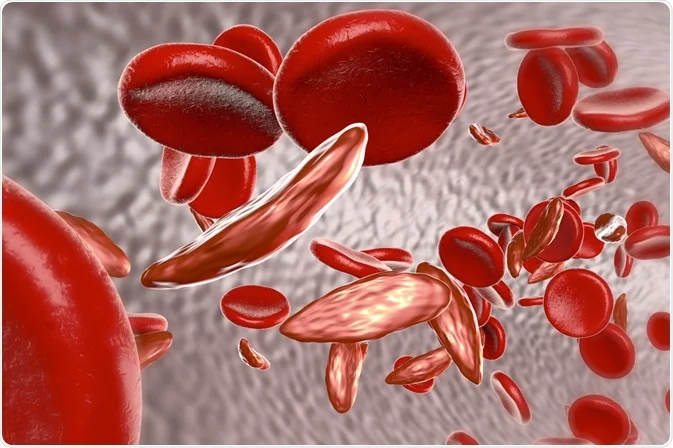
The procedure involves removing the patient’s sickled red cells and replacing them with haemoglobin AA red cells. Since undergoing the exchange, the patient has remained pain-free, an outcome that illustrates the transformative potential of this therapy.
Red blood cell exchange rapidly lowers the proportion of sickle haemoglobin, improves blood flow, and reduces the risk of progressive organ damage. Beyond stroke prevention and pain control, it is used for refractory bone pain, preparation for stem cell transplantation, and, in other clinical settings, for conditions such as severe malaria parasitaemia and carbon monoxide poisoning. By replacing unhealthy red cells with healthy ones, the therapy directly addresses the underlying pathophysiology of disease.

A More Accessible Alternative to Bone Marrow Transplant
Bone marrow transplantation remains the only established curative treatment for sickle cell disease and has changed the lives of many patients worldwide. According to data from the National Institutes of Health, fewer than 20 percent of patients have access to a suitably matched donor, which means this option is not currently available to a large proportion of people living with the condition.
In addition, the procedure can be costly and resource-intensive, placing it beyond reach for many families. For these individuals, effective long-term disease management strategies are essential to improving quality of life and reducing the risk of serious complications.
Unlike bone marrow transplantation, red blood cell exchange is repeatable, does not require a matched donor, and is increasingly accessible at AMCE for patients both within and outside Nigeria. Studies published in the Blood journal show that regular red blood cell exchange significantly reduces stroke risk in children with sickle cell disease and decreases the frequency of severe pain crises in adults.
For patients who are not transplant candidates, or who want to live with fewer hospitalisations and less pain, red blood cell exchange represents not just a treatment, but a chance at stability and dignity.
A Call to Patients, Families, and the Wider Health Community
Patients in need of red blood cell exchange now have a local option through the AMCE. The centre offers this life-saving therapy not only for individuals managing sickle cell disease but also for those recovering from severe malaria parasitemia or responding to carbon monoxide poisoning. Families can now access advanced, specialist care close to home, with personalised treatment plans designed to meet each patient’s unique needs.
Sickle cell disease has long exacted a heavy toll across Africa and its diaspora, contributing to preventable suffering, hospitalisations, and early mortality. By successfully introducing red blood cell exchange, AMCE is taking a significant step toward changing this reality.
The centre’s work demonstrates that advanced, life-saving interventions are not limited to facilities abroad but are achievable within Africa. Through expanding access to these therapies, AMCE is helping to restore hope, improve quality of life, and empower patients and families to manage complex blood disorders with dignity and confidence.
Gwarzo is the Clinical Director, Haematology at the African Medical Centre of Excellence (AMCE). Top of Form

