By Ojoma Akor
Researchers and public health experts have called on the federal government and other stakeholders to increase investments in research on viral diseases and other health challenges in Nigeria.
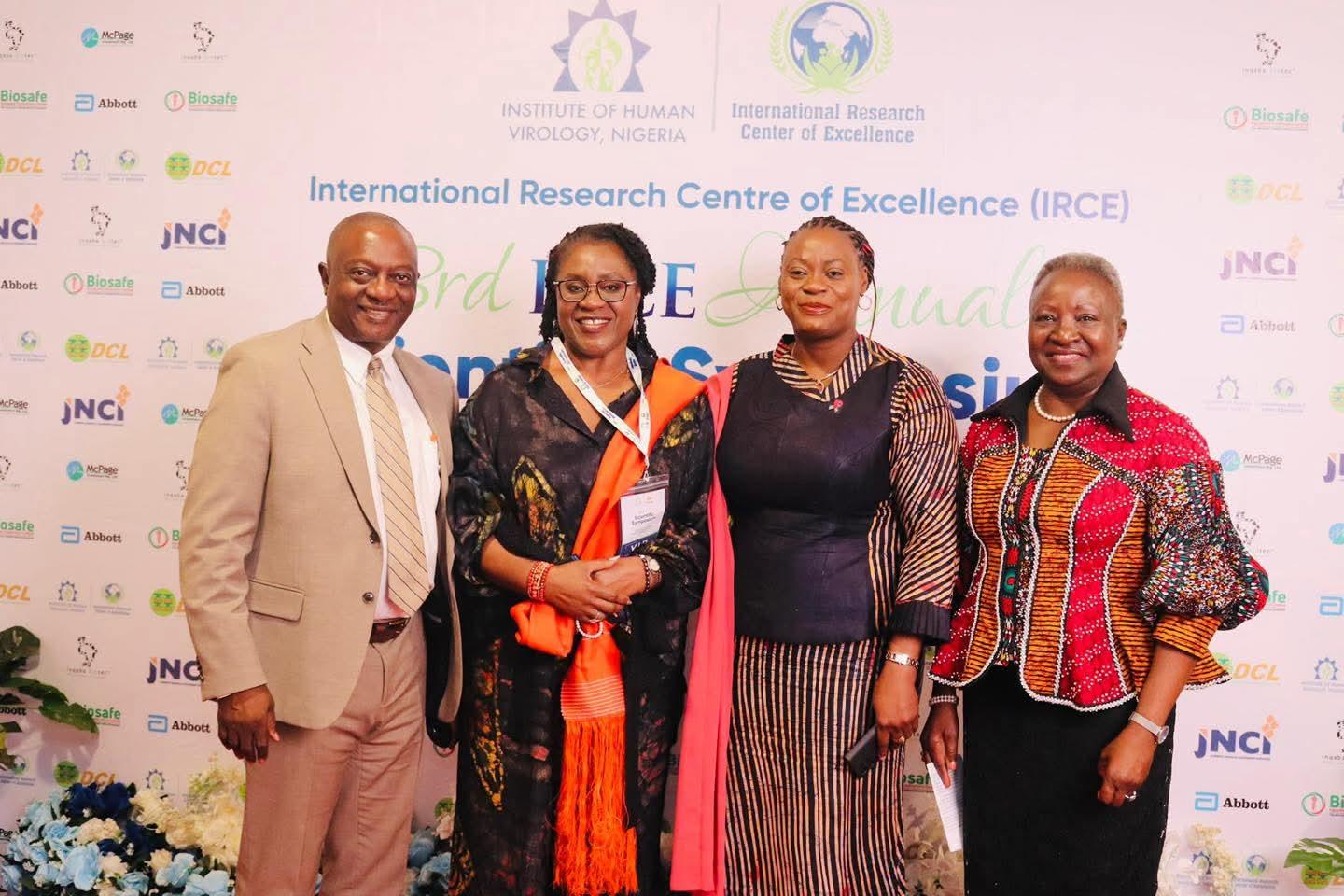
They made the call Monday in Abuja during the third annual scientific symposium organized by the Institute of Human Virology Nigeria (IHVN)’s International Research Center of Excellence (IRCE). The theme of this year’s symposium was “Combating viral threats through public health response and research.”
IRCE Executive Director, Prof Alash’le Abimiku said research was a very important aspect of responding to public health challenges.
She said, “Unless we do research, we are working in darkness. We want to make sure that we are committing time, effort and resources to research that informs us about the public health challenges we have”.
Abimiku said the theme this year focuses on viral threats because most of the major outbreaks the country has recorded were viral diseases.
She said, “So the biggest challenge and where we need to respond rapidly is when we have viral threats. You know they start as outbreaks but then may grow very fast and become a pandemic.”
She highlighted that scientific symposium like the one organized by IHVN spotlight solutions to challenges like the recurring outbreaks of Lassa fever in the country.

She added that the symposium was not just focused at the national level but also at health issues at sub-national levels, and also involves policy makers.
“We do the research and try to understand what is happening. Then we pass the information. Policy makers must create the policy and the right preventive information that must reach every single Nigerian in the language they understand. We have known for years that the virus is linked to food contamination from rodents. We know that covering grains and food storage reduces the risk. Yet we are still struggling to ensure preventive messages reach communities in a language they understand. That is where policymakers must act, by turning research findings into practical policies,” she stated.
She said the Coalition for Epidemic Preparedness Coalition (CEPI) is funding Lassa fever vaccine trials across West Africa, adding that it however may take a while. “It takes two to four years to know whether it works, before we start vaccinating. But even when we start vaccinating, education is important. You have to convince the individuals that vaccination is actually preventive, otherwise you do all of the work and people will not take it.”

IHVN’s Chief Executive Officer, Dr. Patrick Dakum said that with decline in international funding, countries must rethink how they prepare for and respond to outbreaks and epidemics.
He said that research was essential to show which regions were most affected by specific diseases, other undiagnosed conditions that may be driving illness, and how diagnostic tools could be better adapted for Nigeria.

He also said the symposium was aimed at sharpening Nigeria’s preparedness by identifying the most pressing viral threats and determining how resources should be directed.
Representative of the Nigeria Centre for Disease Control and Prevention (NCDC) Tosin Afowowe, said there was need for more resources to confirm cases, strengthen response systems, and coordinate efforts across human, animal, and environmental health.
Commissioner for Health Edo State, Cyril Oshiomole, said collaboration was key to tackling Lassa fever and other viral threats. He said Edo state has earmarked a robust budget for health and related activities along with aggressive sanitization campaign in all social media platforms. He added that this accounted for results recorded in controlling the disease in the state.
The special adviser on health to the governor of Ondo State, Prof. Mike Odemayo, said the state has a very strong surveillance team on ground working to track cases, and do further case search. He said, “So we undertake active case search. We have worked to promote a high index of suspicion among our health workers and clinicians. We have heightened the importance of reporting so that we can be able to do further surveillance around cases. That has helped us to track cases and reduce mortality.” He added that the state has also approved 96 million for research towards mitigating the impact of Lassa fever and other diseases in the state.