By Ojoma Akor
The Federal Government of Nigeria has rolled out over 1,000 units of an innovative diagnostic platform to boost tuberculosis (TB) diagnosis in the country.
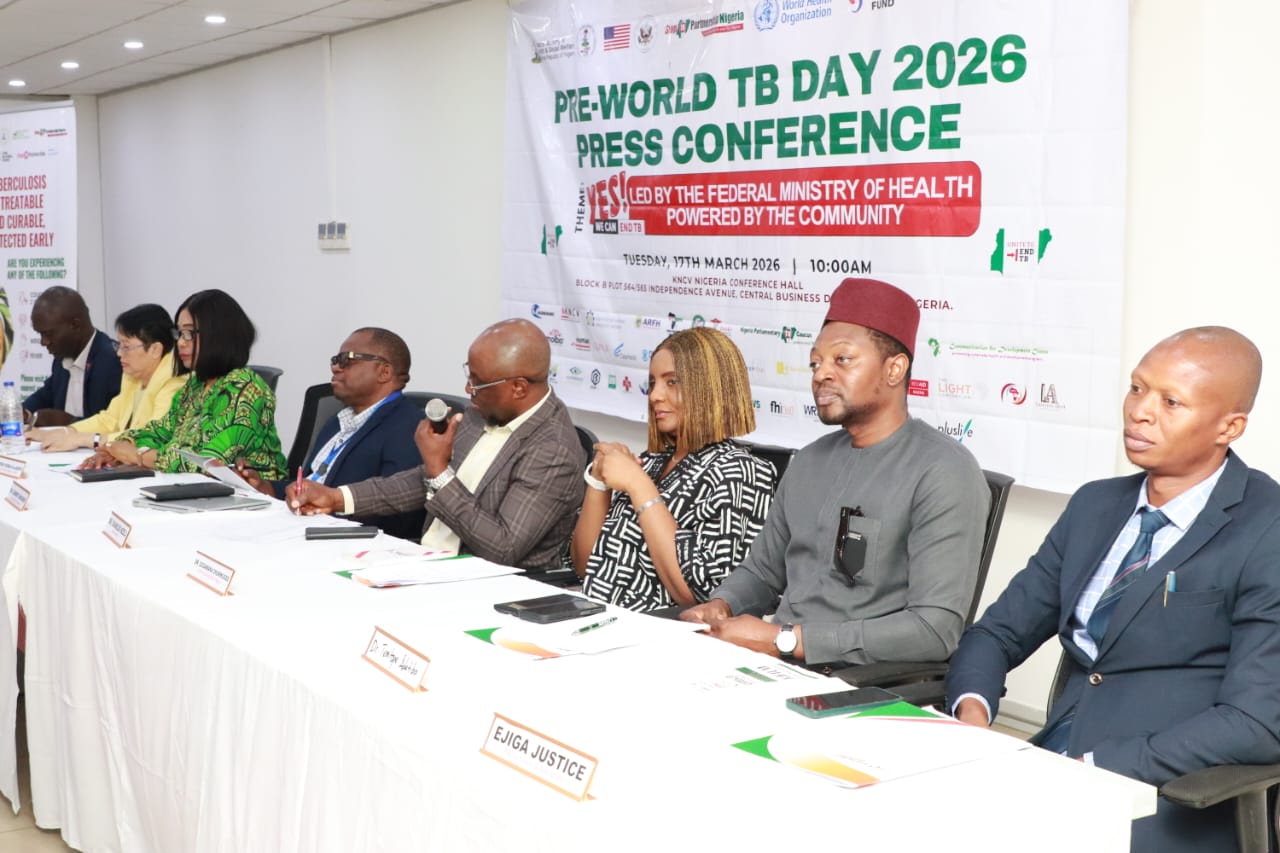
The Director of Public Health of Nigeria’s Federal Ministry of Health and Social Welfare, Dr Charles Nzelu, disclosed this at the pre-World TB Day press conference in Abuja. It was organized by the ministry, the Stop TB Partnership, the World Health Organization (WHO), and other partners.
He said, “Specifically, this year, the National Tuberculosis and Leprosy Control Programme (NTBLCP) is spearheading the national rollout of the Pluslife Mini Dock diagnostic platform.”

While acknowledging that near-point-of-care technology is a game-changer, allowing the government to bring molecular-grade testing to the most remote communities, he said it also ensures that no Nigerian is left behind by geography.
“Nigeria is rolling out over a thousand of these diagnostic pieces of equipment,” he said.
He said that Nigeria has significantly increased its TB case notification, adding that the government is also currently focused on strengthening the electronic reporting systems to ensure real-time data flow from the facility level to the national dashboard.
The director further said that transparency enables effective supply chain management and prevents stock-outs of life-saving medicines.
He enjoined the media to help spread the word that TB diagnosis and treatment in Nigeria are free.
Dr. Nzelu called on the public to get tested if they have a cough that lasts two weeks or more. He also called on partners to continue accelerating investments in local manufacturing and sustainable systems.

Dr. Queen Ogbuji-Ladipo, Board Chair, Stop TB Partnership Nigeria, said tuberculosis remains one of the leading infectious diseases globally, and that Nigeria continues to bear a significant share of the burden.
She noted that despite the challenges, the country has made important progress through partnerships, innovation, and sustained advocacy.
She said, “In Nigeria, the fight against TB has been strengthened through the collective efforts of the Federal Government, the National TB Program, development partners, civil society organisations, community groups, healthcare workers, researchers, and the media. Their dedication has expanded TB detection, improved access to diagnosis and treatment, and strengthened community engagement across the country.”
She highlighted that Stop TB Partnership Nigeria has also continued to play a catalytic role through high-level advocacy, stakeholder engagement, and strategic partnerships, including remarkable milestones in recent years.
She said that there has been a growing commitment from state governments, parliamentarians, and community leaders, who are increasingly recognising TB not only as a health issue but also as a development and economic challenge requiring urgent and sustained action.
While saying that much more still needs to be done, she said the global health financing landscape is changing, and donor support is becoming increasingly constrained.
This reality, she said, makes domestic resource mobilization for TB more important than ever.
Dr. Ogbuji-Ladipo added that sustainable financing from government budgets, private sector contributions, and innovative financing mechanisms will be critical to sustaining TB programs and ensuring that no Nigerian is left behind in accessing TB prevention, diagnosis, and treatment services.
She further called on all stakeholders, including government institutions, private-sector organisations, development partners, civil society, community leaders, and the media, to renew their commitment to ending TB.
Mayowa Joel, Executive Secretary, Stop TB Partnership Nigeria, said the theme for the 2026 World TB Day, which is “Yes! We Can End TB: Led by Countries, Powered by People,” carries a powerful message of hope and responsibility.
He said it reminds us that ending TB is not just a global aspiration, but a realistic goal—one that can be achieved when governments take leadership, and people remain actively involved in the response.
He said, “The first important message of the theme is country leadership. It moves beyond global pledges and emphasises the responsibility of the national governments to take ownership of the fight against TB. Countries must design and implement strategies that reflect their unique realities, strengthen health systems, and ensure sustainable financing for TB programmes. Leadership at the national level is essential to translating commitments into real progress through effective policies, investments, and accountability.
“The second key element of the theme is ‘Powered by People.” This highlights the critical role of communities in the fight against TB. TB survivors, healthcare workers, community leaders, and civil society organisations play vital roles in raising awareness, reducing stigma, identifying people with symptoms, and supporting patients throughout their treatment journey. Their voices and actions ensure that TB services reach the people who need them most and that solutions are driven from the grassroots.”
He further explained that the global theme has been adapted into the national slogan: “Yes! We Can End TB: Led by the Federal Ministry of Health, Powered by the Community.”
According to him, this reflects the leadership of the Federal Ministry of Health, Nigeria, in coordinating the national TB response while recognising the indispensable role of communities in driving awareness, prevention, and treatment support nationwide.
He added that another important dimension of the theme is the message of urgency and hope.
“The phrase “Yes! We Can” reinforces the fact that although TB remains a major public health challenge, it is both preventable and treatable. With the right level of commitment, innovation, and collaboration, we can significantly reduce its burden and ultimately eliminate it as a public health threat.
“The theme is also action-oriented. It challenges all stakeholders to move beyond discussions and commitments toward practical action. This means ensuring that TB diagnostic services, treatment, and care reach everyone who needs them, especially through Primary Health Care, where most people first access health services,” he added.
A TB survivor and advocate, Ejiga Francis, said stigmatization against TB sufferers is still prevalent and stressed the importance of awareness creation in addressing the challenge.