By Ojoma Akor
Project PINK BLUE – Health & Psychological Trust Center has called on the Federal Government of Nigeria, state governments, hospital leadership, and key stakeholders in cancer care to implement patient navigation services across all cancer centers nationwide.
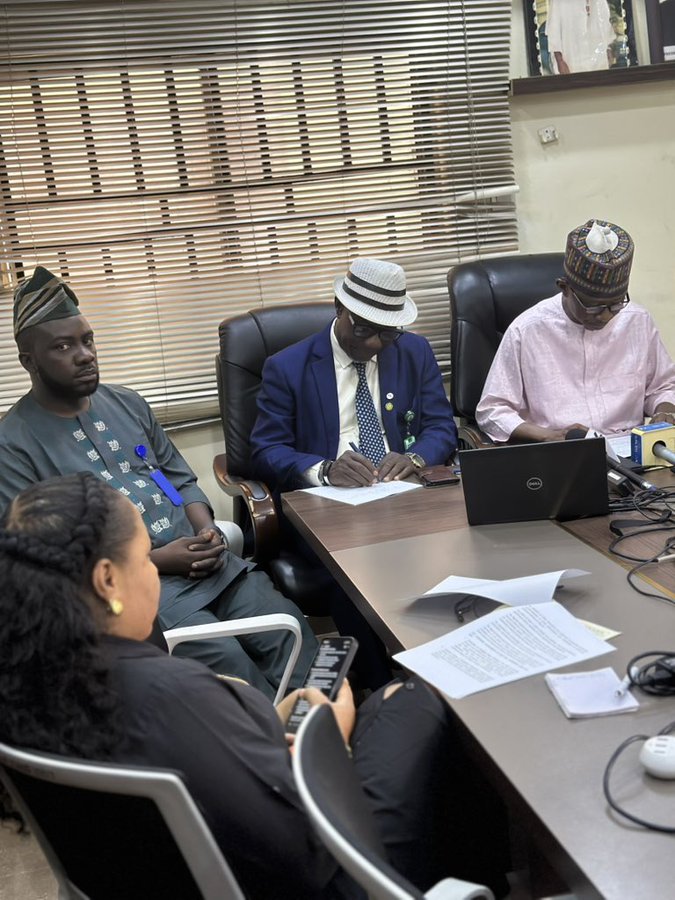
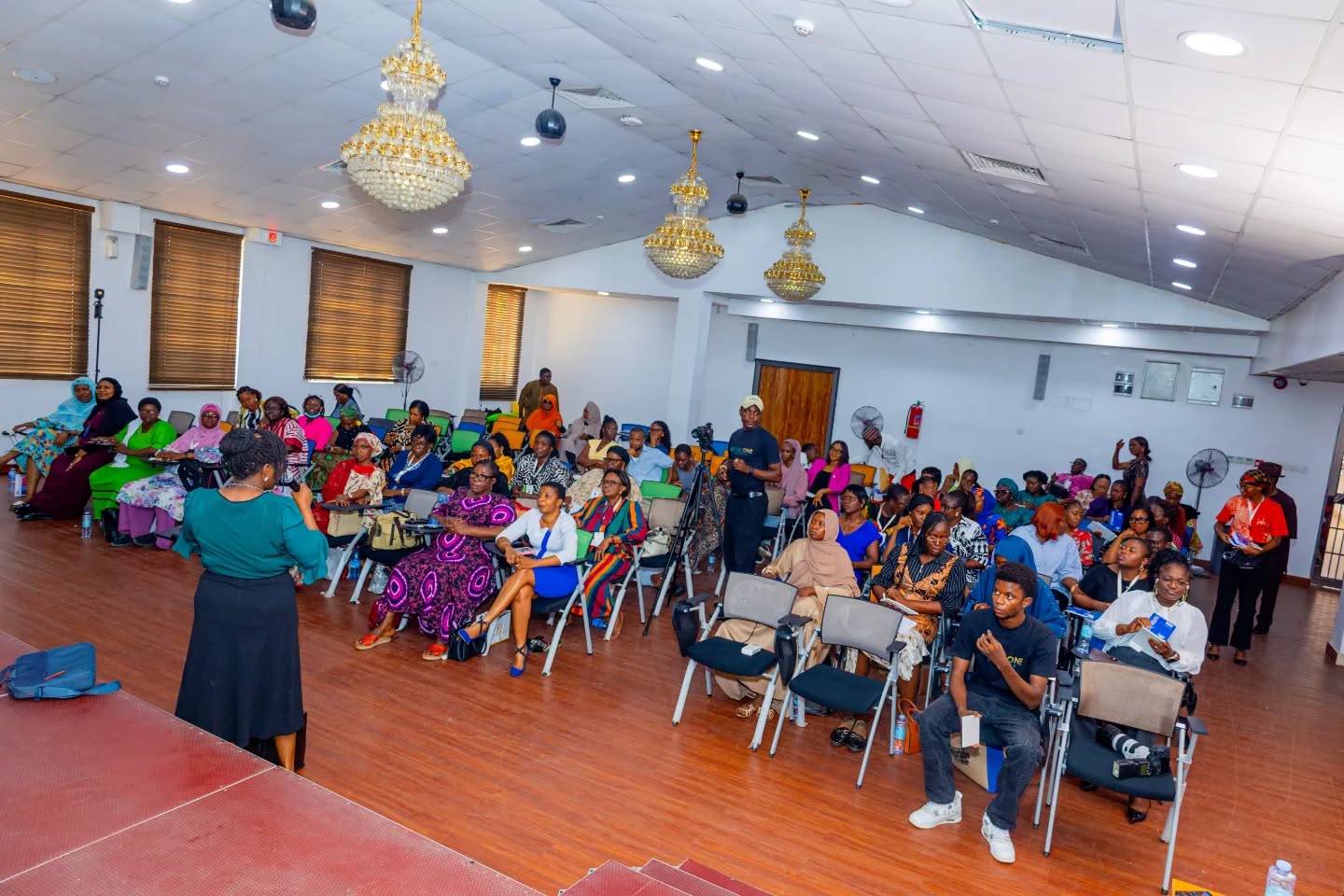
Executive director of Project PINK BLUE and founder of the first patient navigation in Nigeria, Runcie C.W. Chidebe, made the call during the organization’s Women Empowering Women – Breast Cancer Navigation & Technology Program (WEW-BCNaP) Patient Navigation Training in Abuja. It held from 21st to 22nd April 2026.
AstraZeneca supported it through the Powering Breast Cancer Progress.
The goal of the program is to phase out late detection of breast cancer, improve timely access to breast cancer diagnosis and treatment by empowering breast cancer patients and retired nurses as patient navigators, and leveraging mobile technology to reduce barriers to care.
Breast cancer continues to be a major public health challenge in Nigeria. According to the World Health Organization (WHO), in 2024, Nigeria recorded 32,278 new breast cancer cases and 16,332 deaths in 2022 alone.
The statement said the burden is particularly severe as more young women are diagnosed with breast cancer in Nigeria. Beyond the numbers, many women diagnosed with breast cancer in Nigeria are often left confused about what to do next.
“From the point of diagnosis, patients frequently face multiple barriers, including fear, stigma, poor understanding of medical information, financial barriers, and difficulty navigating the healthcare system. For many women, these barriers lead to delayed treatment, missed appointments, loss to follow-up, and in some cases complete abandonment of care,” he said.
He highlighted that the patient navigation program helps ensure that cancer patients are not left to figure out the healthcare system on their own.
He said, “Patient navigation provides structured support to help patients understand their diagnosis, access the right referrals, keep appointments, remain on treatment, and receive basic psychosocial and financial support throughout their cancer journey.
“Patient navigation was included in the National Cancer Control Plan (2026 – 2030), which is great; however, the federal and state governments and chief medical directors must now move beyond policy and urgently implement patient navigation across all cancer centers in Nigeria. No cancer patient should die because they were lost in the health system.”
Through the Women Empowering Women Breast Cancer Navigation & Technology Program (WEW-BCNaP), breast cancer survivors, patients, retired nurses, social workers, peer navigators, and other healthcare professionals have been trained to serve as patient navigators.
Joachin-Ani Ann Nnenna, SPBON, National Hospital Abuja, said the training has deepened her understanding of how critical patient navigation is in improving cancer care outcomes.
She said, “It has equipped me with practical tools to support patients beyond clinical treatment, especially in addressing barriers such as fear, poor understanding, and loss to follow-up.”
The program also integrates mobile technology and app-based support systems to strengthen patient follow-up, tracking, communication, and referral processes.
“With technological advancements like the PINK BLUE App, we truly believe patient navigation becomes easier, smarter, and more accessible. We see the PINK BLUE app as the Uber of oncology, a platform designed to connect patients seamlessly to the right care pathways, resources, and support systems. For many newly diagnosed patients, the biggest challenge is uncertainty: not knowing where to go, who to speak to, or what the next step should be. This app is designed to significantly reduce that uncertainty, improve continuity of care, and ensure that no patient feels lost in their cancer journey,” Joachin-Ani Ann Nnenna stated.

She said patient navigation is not just a healthcare intervention system or a role but a lifeline built on presence, empathy, and human connection. It is not only about what we do but also about how we show up.
“I am more grounded in the understanding that my presence, patience, and empathy can become a lifeline for someone navigating the fear and uncertainty of cancer,” she added.
Olushola Akapo, Breast Cancer Survivor, Cancer Life Coach, and Co-chair of the WEW-BCNaP Steering Committee, said that by strengthening patient-centered support systems, we can improve early diagnosis, treatment adherence, continuity of care, and ultimately survival outcomes for women living with breast cancer in Nigeria.