By Ojoma Akor
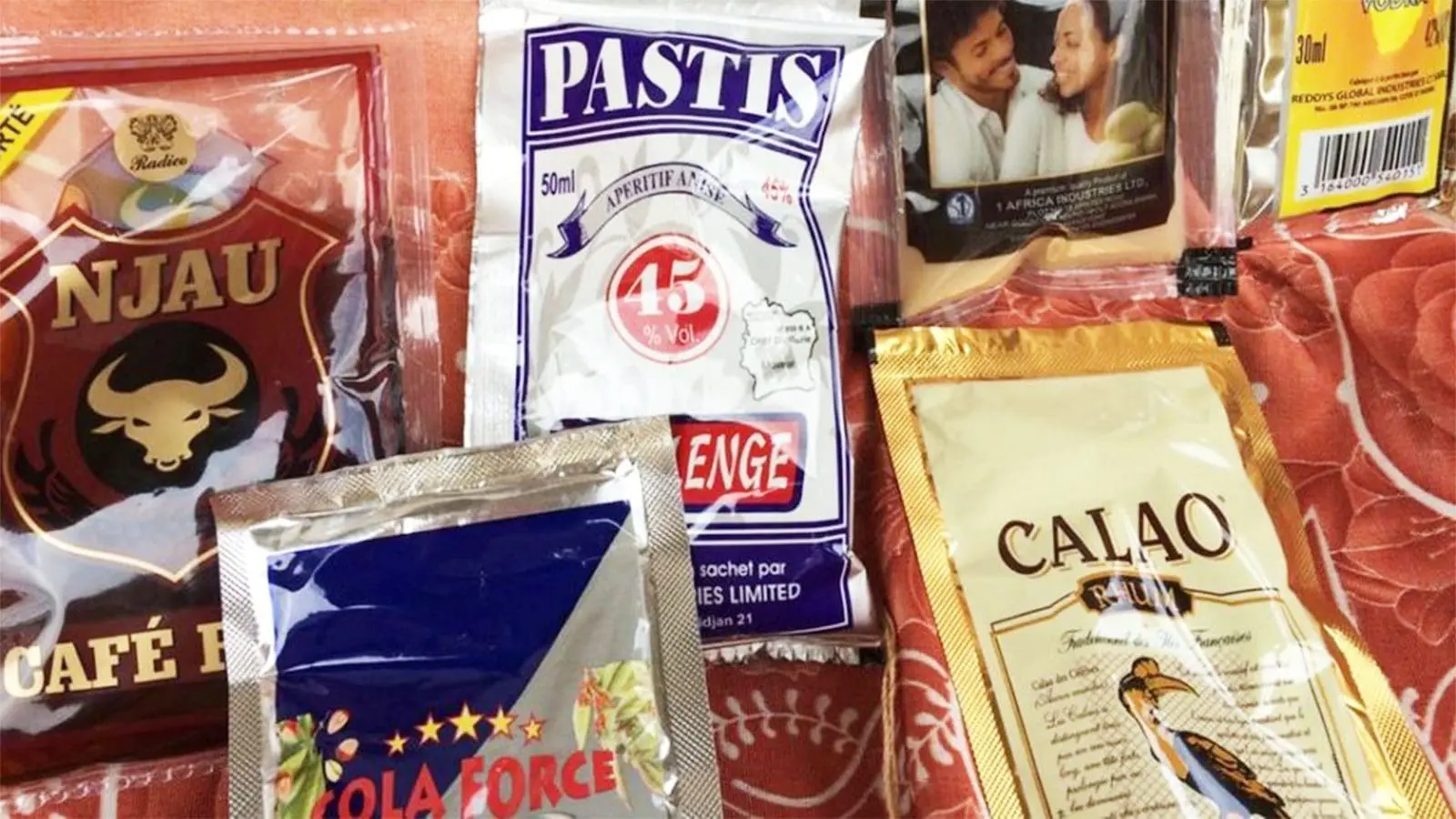
The Coalition for Healthy Food Advocacy (CHFA) has commended the National Agency for Food and Drug Administration and Control (NAFDAC) for enforcing the national ban on alcoholic beverages packaged in sachets and small containers of less than 200 ml.
The coalition, in a statement, said the enforcement follows a five-year moratorium agreed in 2018 between NAFDAC, the Federal Ministry of Health, the Federal Competition and Consumer Protection Commission, and manufacturers to ensure a smooth transition away from high-risk alcohol packaging and to protect children and vulnerable communities.
It said, “Sachet alcohol is inexpensive, highly concentrated, and widely sold in informal markets where age restrictions are rarely enforced. These features make it easily accessible to children, adolescents, and low-income consumers. Removing these products is therefore a critical measure to protect young Nigerians from early alcohol exposure and lifelong harm.”
CHFA is a network of civil society organisations working to advance policies that support a healthy food environment in Nigeria. The coalition promotes evidence-based measures that reduce nutrition-related diseases and protect present and future generations.
Akinbode Oluwafemi, Executive Director of Corporate Accountability and Public Participation Africa (CAPPA), said for years, low-income communities have carried the heaviest burden of sachet alcohol harm.
He said, “This enforcement is a clear message that public health must come before profit. Communities deserve protection from products that fuel addiction, violence, and poverty. We urge all actors, including industry, to respect this policy and support safer, healthier neighbourhoods across Nigeria.”
CHFA said alcohol contributes to more than two hundred diseases and injury conditions and is responsible for a significant share of liver disease, hypertension, stroke, and several cancers. It also worsens outcomes for people living with diabetes and other metabolic disorders.
“Sachet alcohol encourages binge drinking because small units contain high alcohol strength and can be consumed rapidly, increasing the risk of road crashes, violence, unsafe sex, poisoning, and premature death.
Strengthening Nutrition and the Food Environment,” the organization said in the statement.
Consumption of alcohol affects diet and nutrition by displacing healthy foods, increasing cravings for high-salt and high-fat snacks, impairing nutrient absorption, and worsening glycaemic control.
The coalition said reducing access to sachet alcohol, therefore, supports better nutrition and lowers the risk of non-communicable diseases (NCDs).
It added that the economic costs of harmful alcohol use include health-care expenditure, reduced productivity, road traffic injuries, social disruption, and premature mortality. Evidence shows that these losses outweigh revenue from alcohol production.
CHFA works to improve Nigeria’s food environment by advancing policies to reduce sodium, implement front-of-pack labelling, eliminate trans fats, and promote other nutrition policies.
Dr Jerome Mafeni, Lead Technical Advisor, Network for Health Equity and Development (NHED) and Secretariat Lead for CHFA, said, alcohol is part of the food environment and contributes directly to the rising burden of non-communicable diseases.
He said, “The removal of sachet alcohol aligns with sodium reduction, Front-of-Pack Labelling and other measures that support healthier diets and prevent hypertension, diabetes and cardiovascular diseases. A healthier population is the foundation of a productive nation, and the economic cost of alcohol-related harm far outweighs any revenue gained from its sale.”
The Coalition further affirmed that the enforcement of this measure supports the National Alcohol Policy, aligns with the National Multi-Sectoral Action Plan for the Prevention and Control of NCDs, reinforces food and beverage safety under national laws and policies, and advances Nigeria’s commitment to the WHO Global Strategy to Reduce Harmful Use of Alcohol, among others.
CHFA also urged all manufacturers, distributors, retailers, and market associations to comply fully with the directive.
“We call on security agencies and state governments to actively support NAFDAC in monitoring markets, interdicting illegal production, and ensuring these harmful products do not re-enter circulation.
“We also encourage sustained public awareness so communities understand the health reasons behind the ban and the benefits of reduced alcohol-related harm.”
The coalition said it stands firmly with NAFDAC in protecting public health and strengthening Nigeria’s food and beverage regulatory system. “Removing sachet alcohol from the market is a necessary step toward a healthier, safer, and more prosperous Nigeria,” it said.