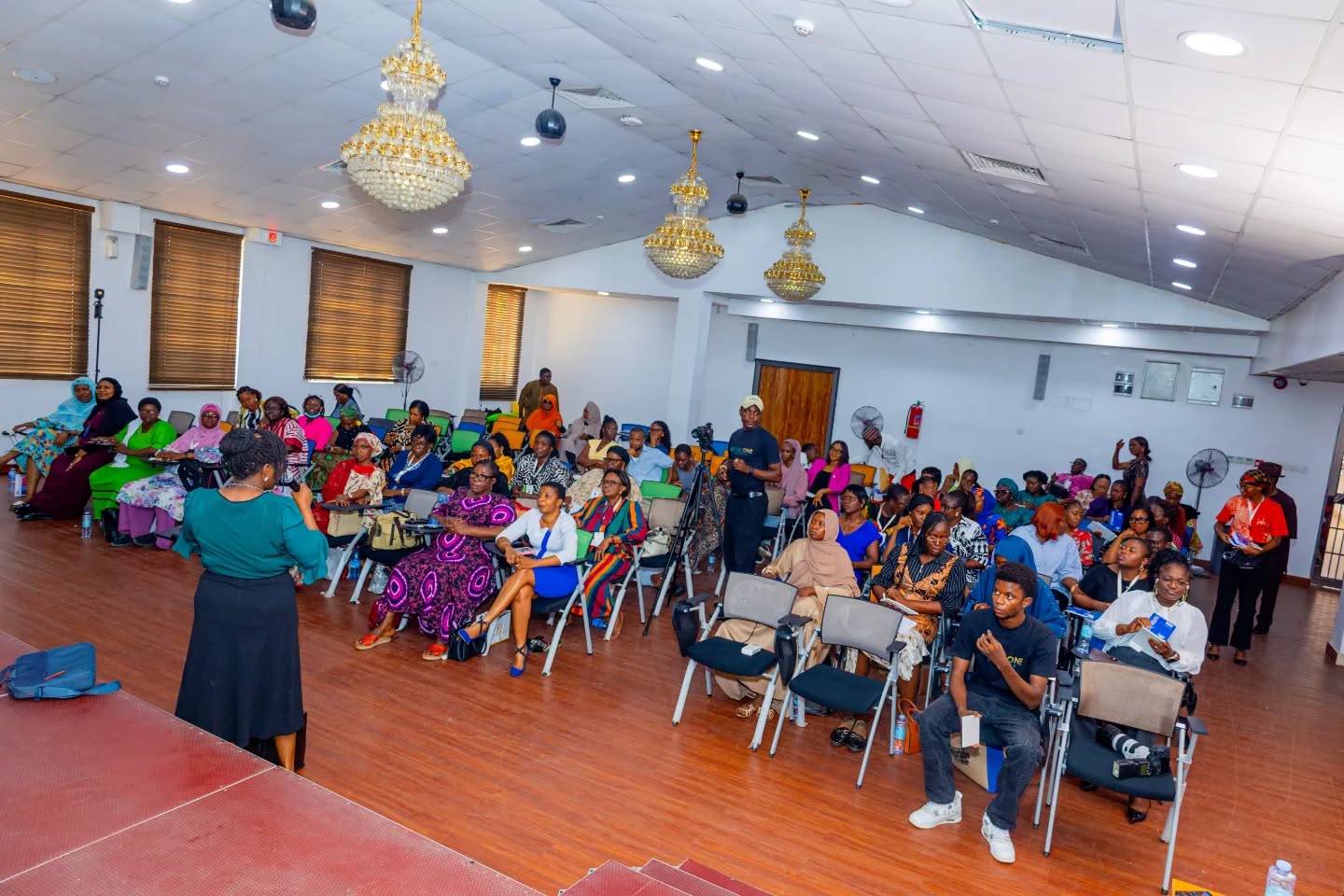
By Ojoma Akor
As Nigeria joins the rest of the World to mark this year’s World Malaria Day, Emzor Pharmaceutical Industries Limited has called for urgent, coordinated action to eliminate malaria through strengthening local pharmaceutical manufacturing, advancing innovation, and expanding access to life-saving treatments, particularly for children and vulnerable populations.
The theme of this year’s commemoration is “Driven to End Malaria: Now We Can. Now We Must.”
Malaria remains one of the most pressing public health challenges in sub-Saharan Africa, with Nigeria bearing the heaviest global burden. According to the World Health Organization (WHO), Nigeria accounts for approximately 27% of global malaria cases and nearly one in three malaria-related deaths.
With children under five being disproportionately affected, Emzor said that access to effective, child-friendly treatment is not just a medical necessity, but a moral imperative.
The Strategic Imperative: Sufficiency through Local Manufacturing
Emzor said achieving malaria elimination at scale will require more than periodic interventions; it demands resilient health systems and industrial self-reliance.
Local pharmaceutical manufacturing has emerged as a critical lever in this effort, ensuring that high-quality, affordable medicines are consistently available while reducing reliance on imports that are often vulnerable to global supply disruptions.
Uzoma Ezeoke, Executive Director at Emzor Pharmaceutical Industries Limited, said local manufacturing is no longer optional; it is central to our national health security, economic stability, and the long-term sustainability of malaria control efforts.
She said, “To truly end malaria, we must close identified critical access gaps. This means building a system where we produce high-quality, WHO-compliant antimalarials right here at home, protecting our patients from the volatility of global supply chain disruptions.”
A critical pillar of Emzor’s strategy is the call for investment in the domestic manufacture of Active Pharmaceutical Ingredients (APIs). While finished drugs are the outcome, the foundational components, the APIs, remain largely imported.
Developing local API capacity is identified as a game-changer that would strengthen the pharmaceutical value chain, reduce reliance on foreign markets, ensure consistent availability of essential medicines, position Nigeria as a regional pharmaceutical hub, fostering job creation and economic value, and enable stricter oversight and adherence to the highest international quality standards throughout the entire production process.
Mr. Emeka Okoli, the Chairman of Emzor Group, said, “Sustainably ending malaria requires more than expanding access to medicines; it requires building the foundation of pharmaceutical independence. Local manufacturing of Active Pharmaceutical Ingredients (APIs) is the next frontier for Nigeria and Africa. At Emzor, we believe that investing in API capability is not just an industrial goal; it is a public health imperative and a critical step toward a malaria-free future.”
Through sustained investment in local manufacturing infrastructure and adherence to global quality standards, Emzor continues to expand access to WHO-compliant antimalarial therapies across Nigeria and beyond. Its commitment extends beyond production to innovation, developing solutions tailored to the realities of patients and caregivers.
As part of its ongoing contribution, Emzor continues to expand access to effective antimalarial treatments through its portfolio of quality-assured medicines.
Notably, Lokmal Dispersible Tablets (artemether-lumefantrine) are designed to improve treatment outcomes for children aged 3 months to 5 years, the group most at risk of severe malaria. The dispersible formulation allows tablets to dissolve easily in water or milk, simplifying administration for caregivers, improving dosing accuracy, and supporting better adherence to treatment.
In addition, Maldox (sulfadoxine-pyrimethamine) plays a vital role in preventive care for pregnant women through Intermittent Preventive Treatment in pregnancy (IPTp), helping to reduce malaria-related complications for both mothers and their babies. These products are part of Emzor’s broader commitment to delivering accessible, high-quality solutions across malaria treatment and prevention.
Ezeoke said, “Malaria continues to place a heavy burden on our most vulnerable populations, and our response must reflect that reality. At Emzor, we are committed not only to manufacturing high-quality medicines but also to innovating for real-world use. These solutions go beyond being just products; they represent a broader responsibility to ensure that proven, high-quality treatments are accessible, practical, and effective for the populations who need them most, especially children and pregnant women most affected by malaria.”
A Call for Collaborative Action
Achievement of a malaria-free Nigeria requires a cohesive effort across all sectors. Emzor is actively calling on government bodies, policymakers, development partners, and private-sector investors to prioritize funding for manufacturing infrastructure and implement policies that catalyze innovation and capacity building.
“Now is the time to move from commitment to execution,” Mr. Okoli added. “The theme ‘Now We Can. Now We Must’ reflects both an opportunity and an obligation. With the right investments, policy support, and collaborative partnerships, Nigeria can lead Africa in building a self-reliant pharmaceutical sector capable of ending malaria. Now we can end malaria. Now we must act, decisively, collaboratively, and at scale.”