By Ojoma Akor
The National Primary Health Care Development Agency (NPHCDA) says it has completed the infrastructural upgrade of over 3,000 primary health care centers (PHCs) out of over 4,000 PHCS it has been working on in the last two years.
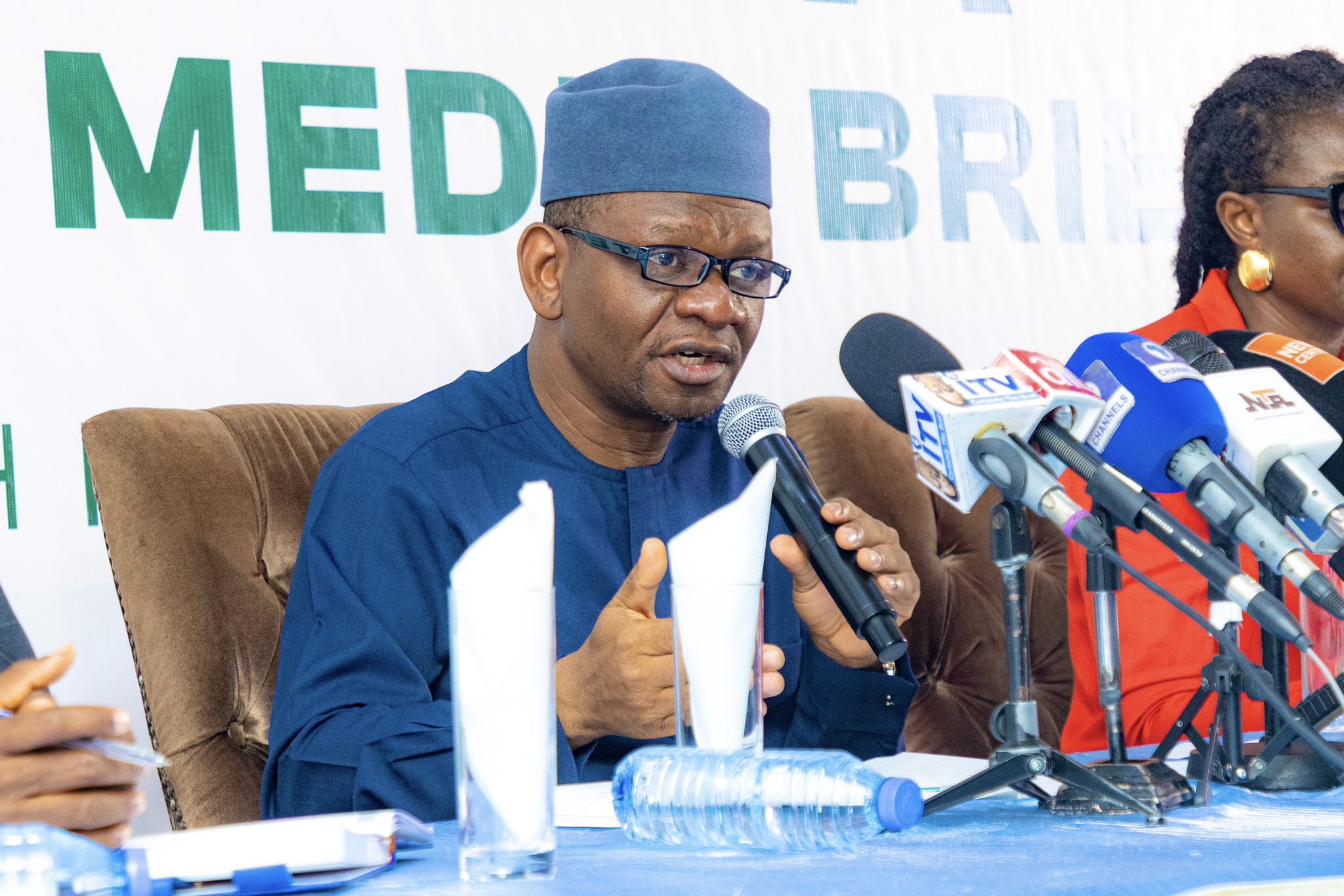
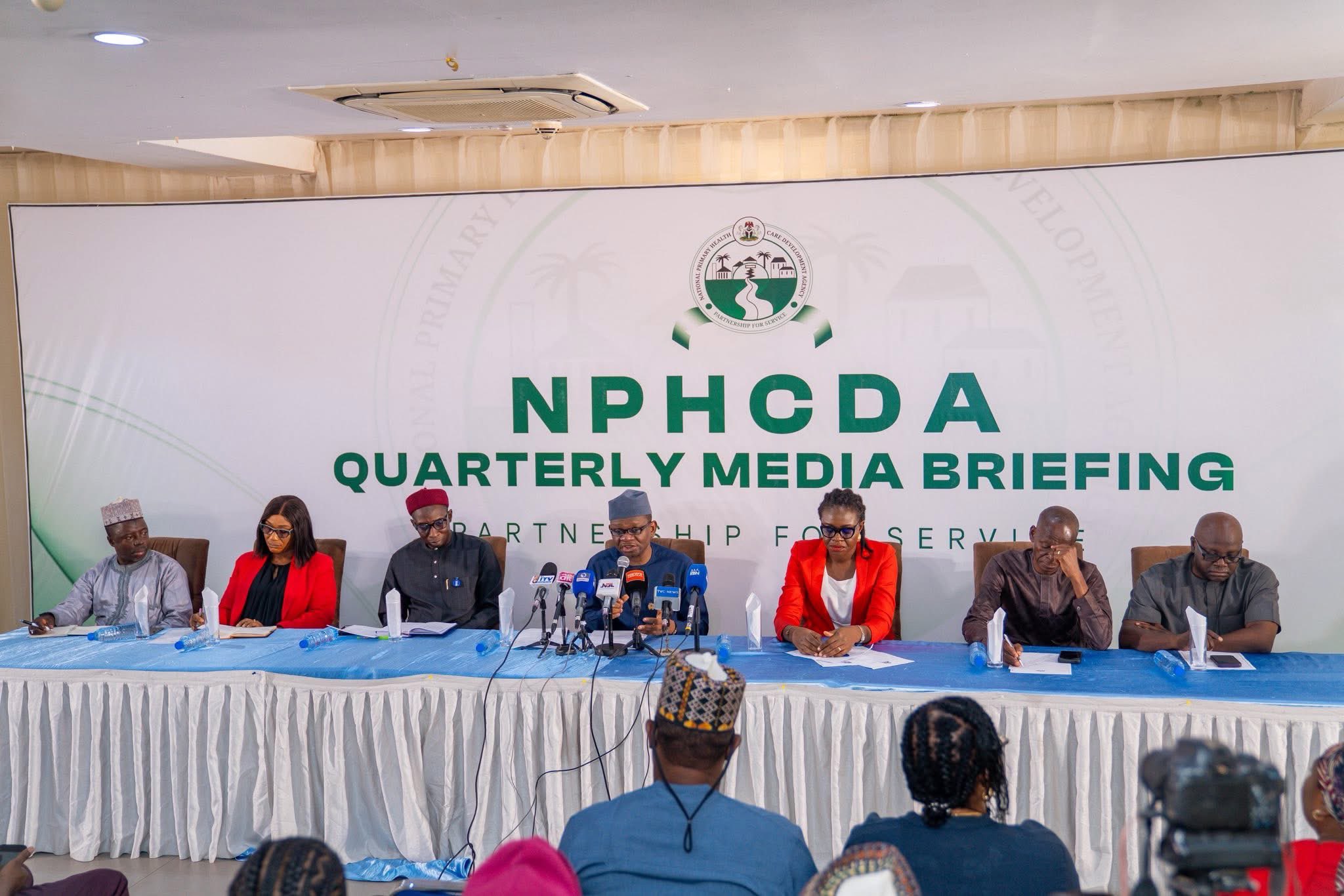
The executive director of the NPHCDA, Dr. Muyi Aina, stated this on Tuesday during the agency’s quarterly news briefing in Abuja.
He said, “The buildings are of better quality, the roofs are there, security is there, and the vast majority of them have accommodation for health workers.”
Dr. Aina said that, as of March this year, the agency has also increased the number of functional level-two primary health centers by 59%.
He said, “The journey of revitalization actively commenced, about March 2024, so 14,000 or more than half, 53% of primary health centers (PHCs) in the country are now functional, either level two or level one. We have level-one PHCs and level-two PHCs. Level two PHCs are set up to provide services 24 hours a day. Level one PHCs also provide services, but in many instances, they close in the evening and reopen the following day. We have continued to invest in solarization through direct government intervention, but also through some of our partners.”
Dr. Aina said the agency has also trained 78,000 health workers across all 36 states and the Federal Capital Territory (FCT) out of the 120,000 frontline health workers that President Tinubu directed to be retrained.
” They have been trained using an integrated primary health care curriculum that covers all of the basic services that the PHCs provide. In addition, we know that many primary health centers lack sufficient staff, so we have been working with states through a variety of interventions. As the federal government, we are an enabler. We provide coordination, policies, and guidelines in many respects regarding regulation, but the actual delivery of services is with the state and local governments. We’ve worked with many of those states to recruit, and recruitment remains very active.
“There were over 19,000 skilled birth attendants, who are people who can safely take delivery of pregnant women, as well as almost 4,000 community-based health workers across the first few states that started to re-establish the community-based health worker platform. We’ve also created a more sustainable mechanism for the training of health workers,” Dr. Aina said.
Regarding the immunization program, he said the federal government is spending a lot of money to procure vaccines and invest in the supply chain, including cold-chain technology.
He said the federal government has deployed over 1,700 solar-powered refrigerators, 62,000 vaccine carriers, and thousands of pieces of cold chain equipment, including in hard-to-reach areas.
He said 102 million children in Nigeria, aged 9 months to 14 years, have been vaccinated with the Measles-Rubella vaccine, and that 16.7 million adolescent girls are now protected against cervical cancer through vaccination with the Human papillomavirus (HPV) vaccine.
He highlighted that between 2023 and 2025, the country recorded 48% reduction in virus outbreaks. “We continue to have fewer outbreaks now because of the progress we’re making in immunization and the response that we were able to mount to outbreaks,” he added.