By Ojoma Akor
The Federal Ministry of Health, along with national and state health stakeholders, has pledged to improve child survival outcomes and primary health care delivery at the local government level.
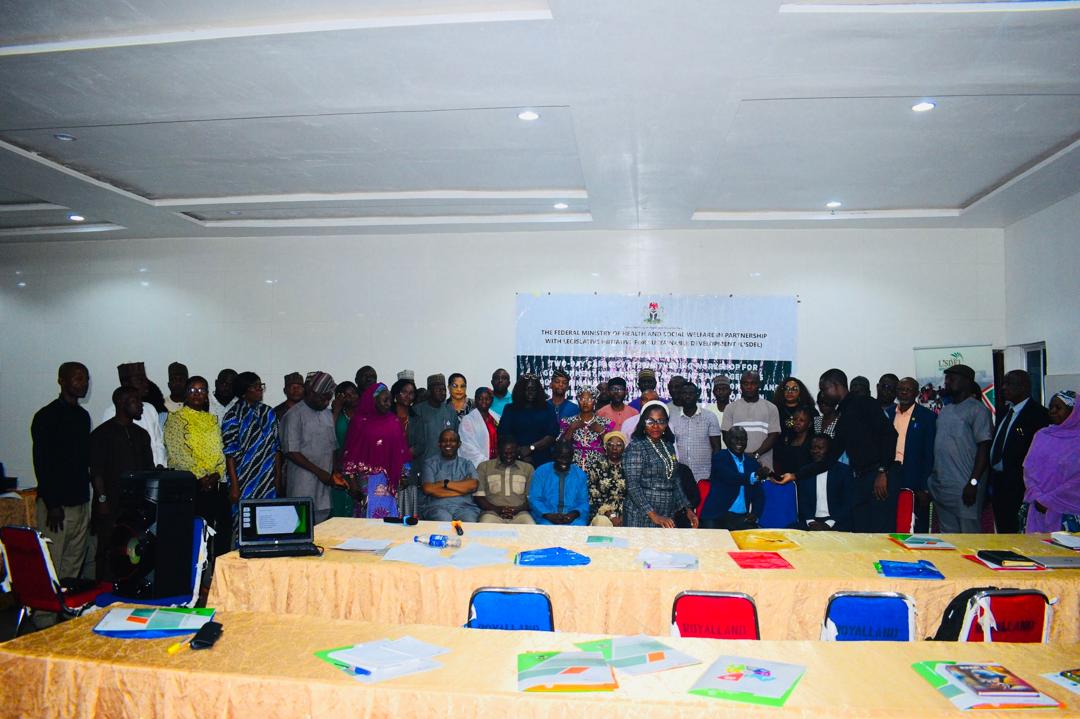
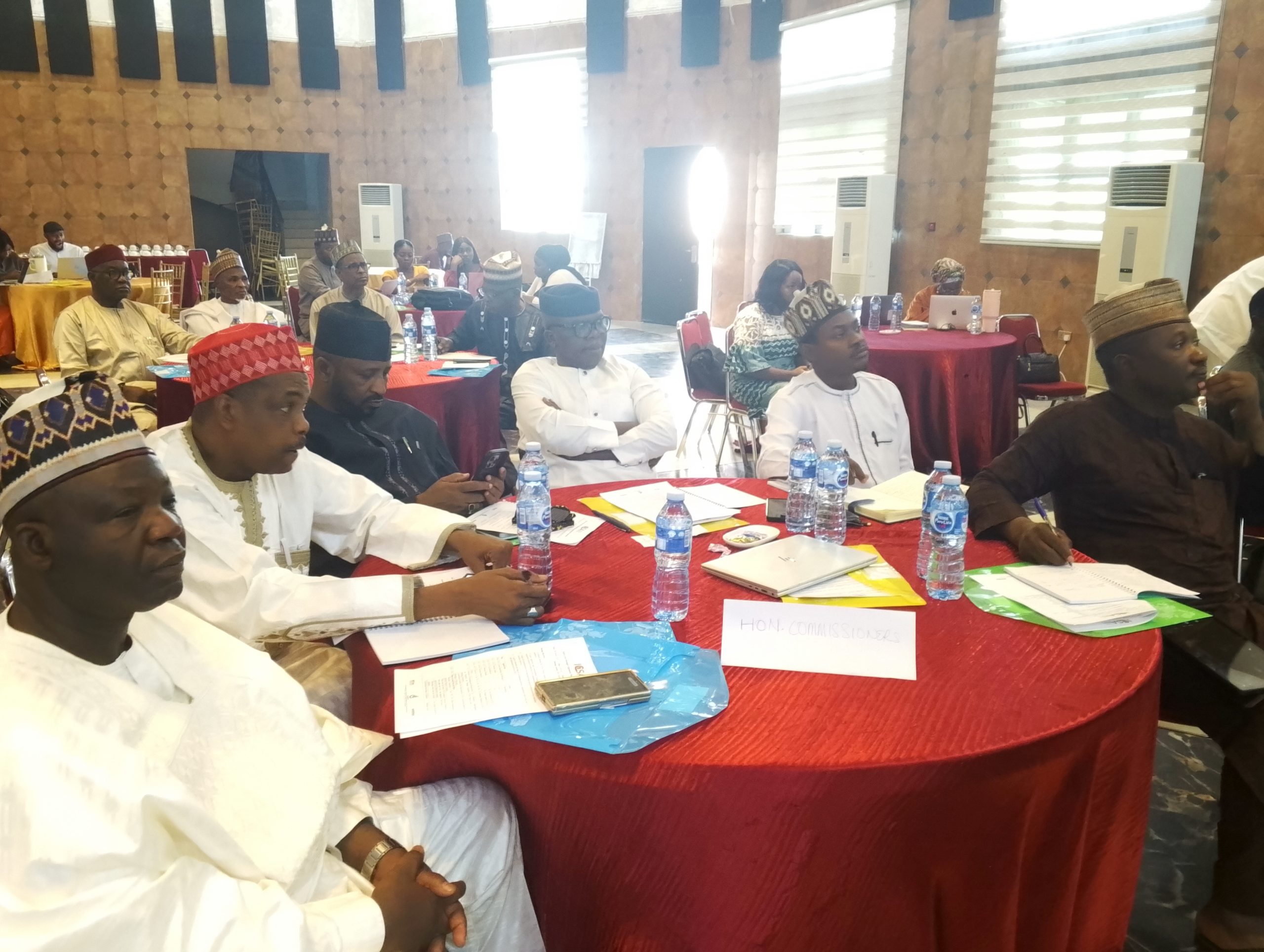
They made the commitment on Friday in Abuja during the Integrated Child Survival Advocacy at the Last Mile (ICSA) Project’s national strategic alignment meeting. The state stakeholders comprise commissioners for health and local government from the implementation states, as well as executive secretaries of state primary health care development boards/agencies, among others.
Dr Gbenga Ijaodola, Deputy Director, Department of Health Planning, Research and Statistics at the Federal Ministry of Health and Social Welfare, said the ministry is working closely with sub-national levels to improve child health indices and achieve Universal Health Coverage (UHC).
He said the ministry was pursuing a consolidated, integrated approach to implementing the current child health policy and engaging with stakeholders.
Dr Ijaodola said, “We are leveraging every resource that we have in the country to ensure they have the right value for all our activities. The framework is there, the structure is there. It’s just for us to walk the talk. The federal government provides leadership, and the state provides support and ensures we implement the one plan, one vision, one conversation, while harnessing all resources. We believe we can do it.”
Dr. Mahmud Mustafa, Head of Mission at the Center for Well-being and Integrated Nutrition Solutions (C-WINS), said the project is an advocacy initiative and that the center has extensive experience with such projects.
He said the organization has undertaken numerous advocacy projects, noting that one of its successful initiatives was the nationwide introduction of measles-rubella vaccination.
He added that they are now well-positioned to implement similar projects across five states to improve child survival.
Dr Mustafa said the consortium would provide evidence to persuade the state stakeholders to prioritize child survival, “so that when they take that action, they will follow through at the lower levels and see it translate into better health outcomes.”
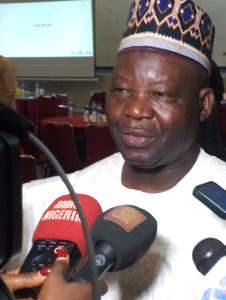
Dr Faruk Umar Abubakar, Commissioner for Health, Sokoto State, said the state government is addressing the factors driving high maternal and infant mortality rates.
While commending the Federal Ministry of Health and the ICSA project, he said the “governor is doing a great job to ensure that we can penetrate every local community. But we need continued support and innovative interventions to save more lives.”
Mohammed Tajo Othman, Commissioner, Ministry for Local Government & Chieftaincy Affairs, Kano State, said the biggest challenge in local government areas is the influx of children not well cared for.
He said, “These children come from neighboring states and sometimes even from other countries that are neighboring Kano, because Kano is a commercial center, and has a large population; therefore, you have lots of children in the streets. We need this kind of advocacy to help us manage this problem and support out-of-school children.
“We have started talking about that. We will put that in writing to recommend the next course of action. One of my recommendations is to establish a feeding center accessible only to schoolchildren. We can create learning centers and feeding centers.”
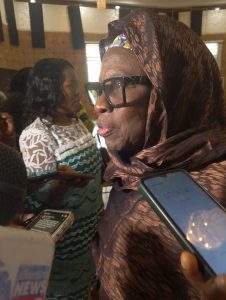
Dr Nihinlola Mabogunje, the project lead for the ICSA project, highlighted that in December, a meeting was held with key stakeholders, and it was agreed that ICSA’s focus is to advocate for every child to have a good quality of life.
She said, “How will children have a good quality of life? The local government should provide adequate funding to ensure essential services for children, such as immunization. We’re not going to do the work, but we will advocate for the resources to be made available. If resources are made available, children will have a good quality of life throughout the project. For many of the key ones, an accountability system will be established at the local community level.
“They would follow up every commitment made by the government and ensure that there is a cash backing, and not just a cash backing, that the cash is used for what it’s expected to be used for, and they will report back. So those are one of the things we are co-creating with them today; for them to provide an enabling environment for the team at the community level that is going to be monitoring whether or not they provided those resources to do what they asked them to do.”
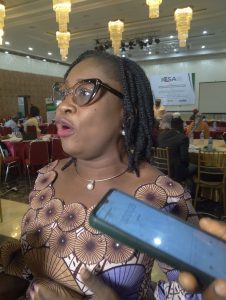
Lovelyn Agbor-Gabriel of the Civil Society for Malaria Control, Immunization and Nutrition (ACOMIN), one of the partners implementing the ICSA project, said her organization covers Kaduna and Katsina states and added that the consortium has begun stakeholder engagement in preparation for full project implementation.
She said, ” So far, the stakeholders at the state level, the ministry of health, state primary health care development agencies, local government ministry, and all have been quite receptive, and they have also shown us an enabling environment to be able to work.
“Because essentially, we don’t want to start reinventing the wheel. We are also leveraging existing approaches, as we have been implementing malaria grants across these two states and have a platform called the community accountability teams, whose primary function is to hold relevant stakeholders accountable for the performance of primary health care. And we’re going to be leveraging on that system, because they are already in the state, already understand how the local government works, and to see that the outcomes of this ICSA project are achieved in the long run.”
The Commissioner for Health of Kano State, Dr. Abubakar Labaran, said his state is committed to working with the consortium to improve child survival in Kano and nationwide.
He said the state is also working to improve immunization coverage and eliminate zero-dose children.